poster
HomeProductsButterfly ValvesButt Welded Butterfly Valve
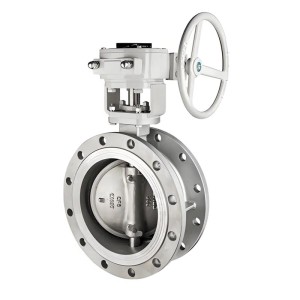
Butt Welded Butterfly Valve

Butt Welded Butterfly Valve

Structural Features

• No flanges or clamps; valve body directly welded to the pipeline.

• High overall rigidity, completely eliminating leakage at the connection surface.

• Mostly triple eccentric metal hard seal structure.

• Reliable seat seal, capable of bidirectional pressure resistance.

Advantages

• Zero external leakage: welded connection, no risk of gasket leakage.

• Resistant to high temperatures, high pressures, and vibrations, suitable for harsh working conditions.

• Smaller and lighter than flanged types.

• Long service life, requiring almost no maintenance at the connection.

Product Description

Drive Methods


• Turbine Drive, Welded Triple Offset Hard Seal Butterfly Valve (Most Commonly Used)

• Pneumatic Welded Butterfly Valve

• Electric Welded Butterfly Valve


Applicable Operating Conditions


• Pressure: PN16, PN25, PN40, PN63, Class 300/600

• Temperature: -20℃ ~ 600℃ or even higher

• Typical Media:

◦ High-temperature steam

◦ Heat transfer oil, hot oil

◦ High-temperature gas, hot air

◦ High-pressure water, oil products

◦ Flammable, explosive, and toxic media (requiring absolute leak-proof operation)

Online Inquiry

Related Products

Wafer Butterfly Valve

Wafer Butterfly Valve

Structural Features

• Ultra-thin, compact, and lightweight valve body

• No built-in flange; clamped to the pipe flange via double-ended bolts passing through the valve body

• On/off or regulation via rotation from 0° to 90°

Advantages

• Small size and light weight, easy installation

• Low cost, cheaper than flanged valves

• Small footprint, suitable for compact piping

• Quick opening and closing, effortless operation

Fluorine-Lined Butterfly Valve

Fluorine-Lined Butterfly Valve

Core Structure

• Generally a center-line soft-seal structure

• The valve body is entirely lined with a layer of F4 (PTFE), F46, PO, etc.

• The butterfly plate is also PTFE-lined

• The valve stem is usually made of stainless steel to prevent media corrosion

• Connections are mainly wafer type and flange type

• Drive methods are mainly handle, turbine, electric, and pneumatic

Commonly Used PTFE Lining Materials

• PTFE (Polytetrafluoroethylene/Teflon) Resistant to strong acids and alkalis, high temperature, and almost all chemicals

• FEP (F46) Better processability, corrosion resistance close to PTFE

• PFA High temperature resistance, stronger corrosion resistance, higher price

• PO/Polyolefin High cost-performance ratio, suitable for general corrosive conditions

Ventilation Butterfly Valve

Ventilation Butterfly Valve

Basic Features

• Structure: Large diameter, lightweight valve body, single eccentric or center plate type

• Sealing: Generally not tight, slight leakage is allowed (soft seal is also possible)

• Pressure: Mostly low pressure, normal pressure

• Actuation: Handle, worm gear, electric, pneumatic are all available

• Connection: Mostly flange type, but also wafer type

Butt Welded Butterfly Valve

Butt Welded Butterfly Valve

Structural Features

• No flanges or clamps; valve body directly welded to the pipeline.

• High overall rigidity, completely eliminating leakage at the connection surface.

• Mostly triple eccentric metal hard seal structure.

• Reliable seat seal, capable of bidirectional pressure resistance.

Advantages

• Zero external leakage: welded connection, no risk of gasket leakage.

• Resistant to high temperatures, high pressures, and vibrations, suitable for harsh working conditions.

• Smaller and lighter than flanged types.

• Long service life, requiring almost no maintenance at the connection.

+86 19858780995

+86 19858780995

+86 19858780995

+86 19858780995

19858780995@163.com