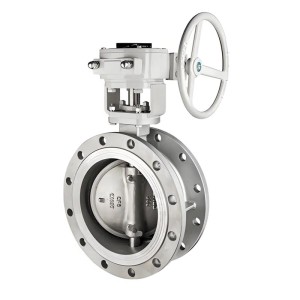

poster
HomeProductsButterfly ValvesWafer Butterfly Valve
Wafer Butterfly Valve

Wafer Butterfly Valve

Structural Features

• Ultra-thin, compact, and lightweight valve body

• No built-in flange; clamped to the pipe flange via double-ended bolts passing through the valve body

• On/off or regulation via rotation from 0° to 90°

Advantages

• Small size and light weight, easy installation

• Low cost, cheaper than flanged valves

• Small footprint, suitable for compact piping

• Quick opening and closing, effortless operation

Product Description

Sealing Types


• Soft Seal (X/EPDM/NBR) Normal temperature, low pressure, water, air, sewage, zero leakage

• Hard Seal (H/Metal Seal) High temperature resistance, wear resistance, steam, high temperature gas


Actuation Methods


• Manual: Handle (small diameter), turbine (labor-saving)

• Electric: On/off type/regulating type, remote automatic control

• Pneumatic: With cylinder, rapid action, explosion-proof scenarios, etc.


Applicable Operating Conditions


• Pressure: Mainly PN6, PN10, PN16

• Temperature: Generally ≤ 120℃ (soft seal)

• Medium: Water supply and drainage, HVAC, circulating water, gas, sewage, etc.

Online Inquiry

Related Products

Flanged Butterfly Valve

Flanged Butterfly Valve

Basic Structure and Principle

• Core Components: Valve body (with flange), butterfly plate, valve stem, sealing seat, drive unit.

• Working Principle: The disc-shaped butterfly plate rotates 0°~90° around the valve stem to achieve full open/full close or flow regulation.

• Connection Method: Flange connection

Key Features

• Reliable Sealing: Flange connection + independent sealing system, leak-proof.

• Higher Pressure Resistance: Suitable for medium and high pressure (PN6~PN40).

• Quick Opening and Closing: Opens and closes with a 90° rotation, effortless operation.

• Low Flow Resistance: Low flow resistance coefficient when fully open, suitable for high flow rates.

• Easy Maintenance: Easy disassembly; seals are replaceable.

Ventilation Butterfly Valve

Ventilation Butterfly Valve

Basic Features

• Structure: Large diameter, lightweight valve body, single eccentric or center plate type

• Sealing: Generally not tight, slight leakage is allowed (soft seal is also possible)

• Pressure: Mostly low pressure, normal pressure

• Actuation: Handle, worm gear, electric, pneumatic are all available

• Connection: Mostly flange type, but also wafer type

Centerline Rubber-Lined Butterfly Valve

Centerline Rubber-Lined Butterfly Valve

Structural Features

• Centerline Structure: The valve stem axis, butterfly plate center, and valve body center are on the same centerline.

• Integral Rubber Lining: The entire valve body interior and butterfly plate outer ring are covered with rubber.

• Fully Soft Seal: Sealing is achieved through rubber elasticity; a seal is achieved when the valve is fully closed.

• Connection Methods: Wafer type, flange type

• Drive Methods: Handle, turbine, pneumatic, electric

Triple Offset Butterfly Valve

Triple Offset Butterfly Valve

What do the three eccentricities refer to?

1. Valve stem axis is off-center from valve body center

2. Valve stem axis is off-center from sealing surface center

3. Sealing cone axis is tilted at an angle

Core effects:

• Almost no friction between the disc and valve seat during opening and closing

• The sealing surface tightens as it closes, resulting in minimal wear on the sealing surface

+86 19858780995

+86 19858780995

+86 19858780995

+86 19858780995

19858780995@163.com