
poster
HomeProductsOther ValvesDischarge Valve
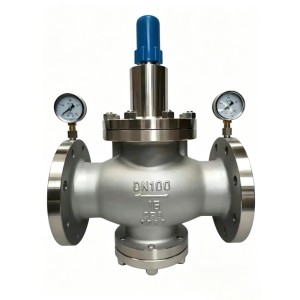
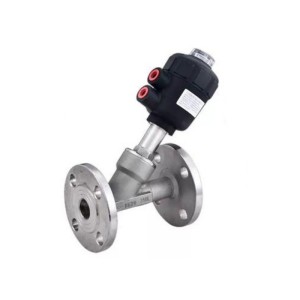
Discharge Valve

Discharge Valve

Main Parameters

• Nominal Pressure: PN6~PN25

• Nominal Diameter: DN25~DN200, complete range of diameters for reactors and tanks

• Operating Temperature: -20℃~+200℃, PTFE-lined version resistant to strong corrosion, stainless steel version resistant to medium and high temperatures

• Valve Body Material: Cast iron, 304/316L stainless steel, PTFE-lined, rubber-lined, etc.

• Operation Method: Manual, pneumatic, electric, hydraulic, suitable for automated operations

Structural Forms

1. Top-opening discharge valve: Valve plate opens upwards, no material residue, suitable for viscous, crystallizing, and easily sedimenting media.

2. Bottom-opening discharge valve: Valve plate opens downwards, fast discharge flow rate, good self-cleaning effect, thorough unloading.

3. PTFE-lined discharge valve: The entire valve is lined with fluoroplastic, resistant to strong acids and alkalis, corrosion-resistant, specially designed for chemical corrosion environments.

Product Description

Key Advantages


• Streamlined straight-through material channel, no dead corners, no material accumulation, clean and residue-free unloading.

• Wear-resistant and corrosion-resistant, suitable for slurries, granules, viscous, and crystalline media.

• Flexible switching, rapid opening and closing, high material discharge efficiency.

• Can be equipped with pneumatic or electric actuators, suitable for automated production lines and unattended operation.

• High installation adaptability, direct flange connection to the bottom of reactors, storage tanks, and silos.


Applicable Applications


• Chemical Industry: Material discharge, slag removal, and wastewater discharge from the bottom of reactors, mixing tanks, and storage tanks.

• Pharmaceutical and Food Industries: Clean unloading control of slurries, pastes, and powder media.

• Environmental Protection and Wastewater Treatment: Sludge and wastewater discharge from the bottom of sedimentation tanks, neutralization tanks, and waste liquid tanks.

• Fine Chemicals: Feeding and discharging of acid and alkali corrosive materials, crystalline materials, and viscous fluids.

• Light Industry and Building Materials: Material cutting-off in storage equipment for coatings, inks, resins, and powders.

Online Inquiry

Related Products

Steam Trap

Steam Trap

Definition and Function

A steam trap (or condensate trap) is a specialized automatic valve for steam systems. Its core functions are: Automatically discharging condensate, air, and non-condensable gases while strictly preventing steam leakage.

It eliminates steam waste, prevents water hammer and corrosion of pipes and equipment, and ensures heat exchange efficiency and system safety.

Working Principle
It utilizes the differences in density, temperature, phase change temperature difference, and flow state between steam and condensate to achieve automatic identification and opening/closing:

• Condensate, air → Automatically opens and discharges

• High-temperature steam → Automatically closes and locks to prevent steam leakage

Discharge Valve

Discharge Valve

Main Parameters

• Nominal Pressure: PN6~PN25

• Nominal Diameter: DN25~DN200, complete range of diameters for reactors and tanks

• Operating Temperature: -20℃~+200℃, PTFE-lined version resistant to strong corrosion, stainless steel version resistant to medium and high temperatures

• Valve Body Material: Cast iron, 304/316L stainless steel, PTFE-lined, rubber-lined, etc.

• Operation Method: Manual, pneumatic, electric, hydraulic, suitable for automated operations

Structural Forms

1. Top-opening discharge valve: Valve plate opens upwards, no material residue, suitable for viscous, crystallizing, and easily sedimenting media.

2. Bottom-opening discharge valve: Valve plate opens downwards, fast discharge flow rate, good self-cleaning effect, thorough unloading.

3. PTFE-lined discharge valve: The entire valve is lined with fluoroplastic, resistant to strong acids and alkalis, corrosion-resistant, specially designed for chemical corrosion environments.

Hydraulic Control Valve

Hydraulic Control Valve

Main Parameters

• Nominal Pressure: PN10~PN25

• Nominal Diameter: DN20~DN800

• Operating Temperature: 0℃~+80℃, custom high-temperature models up to 120℃

• Drive Method: Self-driven by water pressure, no electricity or air supply required

• Valve Body Material: Ductile iron, carbon steel, stainless steel, suitable for various pipelines

• Sealing Performance: Primarily soft seal, tight seal, no leakage at low pressure

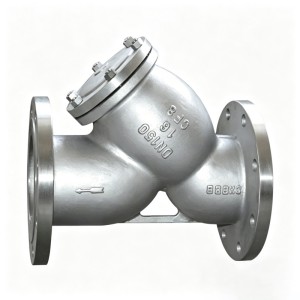
Y-Type Filter

Y-Type Filter

+86 19858780995

+86 19858780995

+86 19858780995

+86 19858780995

19858780995@163.com